


Stacia K. from Encinitas, California
Purchased Why Cant I Be Rich Instead Of Good Looking Tank Top.


Poker is about small decisions repeated over time. Many players focus on winning hands. Strong players focus on avoiding mistakes. That difference shapes everything. The long game rewards discipline. It favors players who stay calm, manage risk, and think ahead.
Most losing sessions begin before the flop. Playing too many hands puts you in weak positions. It forces tough choices with poor cards. This pressure compounds over time. Good players are comfortable folding. They wait for clean spots. They understand that boredom is part of winning poker when playing at a safe casino.
You do not need advanced charts to fix this leak. You need consistency.
Position gives you information. Information gives you control. Acting last allows you to see mistakes before you commit chips. Out of position, even strong hands lose value. In position, marginal hands gain options. This shift changes everything.
Many players ignore these basics.
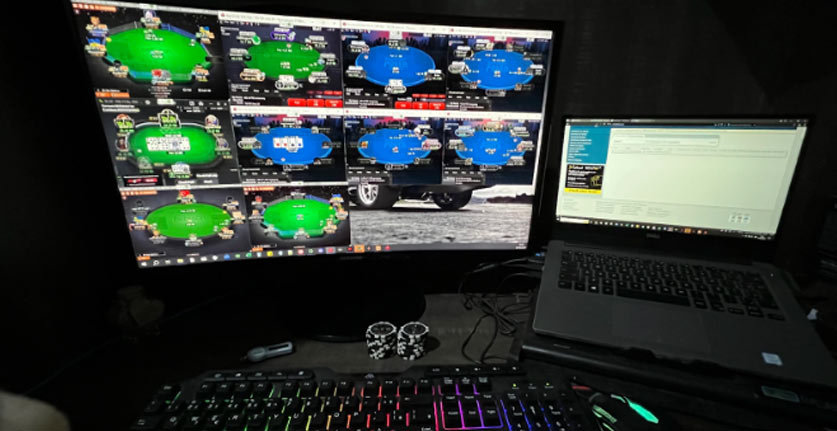
Bet sizing communicates intent. It shows confidence, fear, or uncertainty. Many players bet out of habit, not strategy. Strong players size bets to shape outcomes. They force opponents into errors. Chips become tools, not guesses.
Before betting, ask one question. Why?
Random sizing creates chaos. Purposeful sizing creates leverage.
Draws feel powerful because they promise improvement. Most of the time, they quietly drain stacks. Calling without proper odds adds up fast. Position, opponent type, and stack size all matter. Ignoring these turns leads to traps.
Not all draws deserve commitment.
Folding good hands hurts more than folding bad ones. The ego makes players stay in spots they should leave. This mistake is expensive. Strong players protect their stacks. They understand that one fold can save an entire session.
The table often signals danger.
Bluffing is not about courage. It is about timing. Most bluffs fail because they are forced. Good bluffs tell a clear story. Bad bluffs reveal desperation.
Bluffs need structure to work.
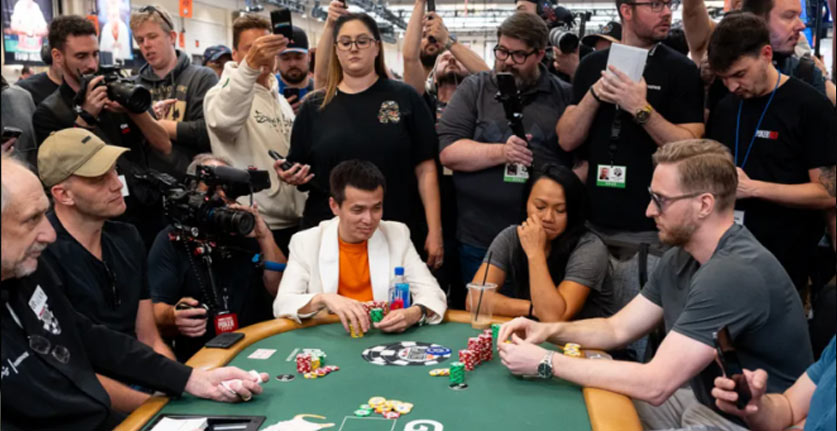
Poker is a game of behavior. Cards create scenarios. People decide outcomes. Ignoring patterns wastes information. Even online, habits emerge. Speed, sizing, and repetition reveal intent.
Labeling players simplifies decisions.
Adjusting beats, memorizing tactics.
Skill cannot beat poor bankroll decisions. Many good players go broke by playing too high. Variance punishes impatience. A proper bankroll protects focus. It keeps emotions stable. It allows skill to matter.
These basics save careers.
Discipline off the table matters as much as on it.
Tilt does not always look like anger. Sometimes it feels logical. Sometimes it feels justified. It is always dangerous. Once emotions rise, decision quality drops. Losses follow quickly.
Knowing your triggers helps control them.
Long sessions create mental fatigue. Focus fades. Mistakes slip in quietly. Players stop noticing patterns. Shorter sessions protect clarity. They also reduce emotional buildup.
Structure improves results.
Poker rewards sharp thinking, not endurance.
Winning players choose games carefully. Losing players sit anywhere. This difference matters more than strategy. Soft tables create opportunity. Tough tables drain energy.
Look for an imbalance.
Good tables do half the work.

Many players lose money by building pots they cannot control. Bigger pots increase pressure. Pressure exposes mistakes. Learning when to keep pots small protects your stack. Pot control is not passive play. It is selective aggression. You choose when to inflate risk and when to contain it.
Not every hand deserves escalation.
Keeping pots manageable buys clarity.
Routine is dangerous in poker. Autopilot turns decisions into habits. Habits ignore context. Every table is different. Every opponent changes the dynamics. Awareness must stay active.
Recognize mental disengagement early.
Pause or quit when this starts.
Stack depth shapes strategy. Ignoring it leads to bad commitments. Short stacks demand precision. Deep stacks demand patience. Many players treat all stacks the same. That mistake costs money.
Strategy shifts with depth.
Aggression feels threatening. Many players respond by calling too often. This leaks chips slowly. Aggressive action often signals strength, especially from passive players. Respecting that saves money.
Certain patterns rarely bluff.
Guessing exact cards leads to confusion. Good players think in ranges. Ranges simplify decisions.
Range thinking improves clarity.
Poker becomes predictable when ranges guide choices.
You must be of legal age and in no violation of local or federal laws while viewing this material.
We do not support misuse of alcohol, including excessive consumption, binge drinking, or drinking and driving. It has been proven that excessive drinking can cause serious physical harm.
Please drink responsibly!
An error occurred while trying to submit the form - we'll do our best to fix it ASAP.
My bad =(

Stacia K. from Encinitas, California
Purchased Why Cant I Be Rich Instead Of Good Looking Tank Top.
 Verified by Provely